
Psycho (1960) Synopsis — Unraveling the Terrifying Secrets of the Bates Motel
Synopsis of Psycho (1960)
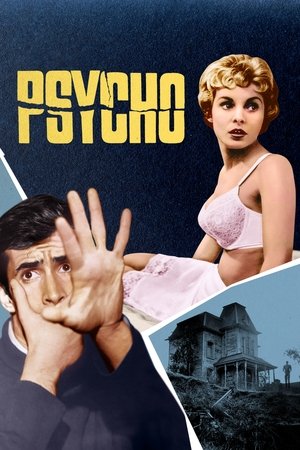
Alfred Hitchcock’s seminal masterpiece, Psycho (1960), is a landmark psychological thriller that redefined the horror genre. Originally presented as a brand new film based on Robert Bloch’s 1959 novel of the same name, this suspenseful motion picture plunges audiences into a world of shattered normalcy and chilling revelations. The story follows Marion Crane, a young secretary burdened by guilt and desperation, who makes a fateful decision that sets her on a collision course with a secluded and unsettling roadside establishment.
Fleeing with a substantial sum of stolen money, Marion seeks refuge from a relentless storm and her own mounting paranoia at the isolated Bates Motel. There, she encounters the shy and enigmatic proprietor, Norman Bates, a man seemingly devoted to his invalid mother. As Marion begins to feel a flicker of misplaced trust in Norman’s strange world, the veneer of normalcy at the motel starts to crack, revealing a deeply disturbing undercurrent that promises to ensnare her completely. The emotional stakes are incredibly high as Marion grapples with her corruptible nature and the very real threat to her life.
What makes Psycho (1960) so unique and enduring is its masterful manipulation of audience expectations. Hitchcock masterfully crafts an atmosphere of dread and unease, utilizing black and white cinematography to enhance the noir-like mystery. The film’s innovative narrative structure and shocking twists, particularly the unforgettable shower scene and the eventual unveiling of Norman’s complex psychology, were revolutionary for their time and continue to captivate viewers, offering a profound exploration of human vulnerabilities, mental illness, and the terrifying consequences of repressed desires.
Plot of Psycho — A Gripping Story
The central plot of Psycho (1960) begins with Marion Crane, a dissatisfied secretary in Phoenix, Arizona, who sees an opportunity to escape her mundane life. After a colleague makes a large cash deposit at her office, Marion impulsively steals $40,000 with the intention of eloping with her boyfriend and starting anew. Her flight, however, is fraught with anxiety and suspicion, leading her to make a crucial stop at the Bates Motel during a torrential downpour.
At the Bates Motel, Marion’s path intersects with that of Norman Bates, the motel’s proprietor. Norman is presented as a socially awkward but seemingly harmless young man, whose life is dominated by his overbearing and unseen mother. As Marion spends the night, she begins to witness disturbing events and learns unsettling details about the motel and its reclusive owner, hinting at a dark secret lurking beneath the surface. The subsequent investigation into Marion’s disappearance, involving a private detective and Marion’s concerned sister, further unravels the horrifying truth.
The story masterfully builds suspense by focusing on the psychological torment of its characters and the unsettling environment of the Bates Motel. The narrative’s brilliance lies in its ability to misdirect the audience, making them believe they are watching one kind of story before completely transforming their perception with shocking revelations about identity, mental illness, and the complex mother-son relationship at the heart of the mystery. The film’s exploration of a split personality and the concept of an alter ego were groundbreaking and continue to be a focal point of analysis.
Interesting Facts About Psycho
- Psycho (1960) was famously filmed in black and white by director Alfred Hitchcock to keep production costs down, as well as to lend a more claustrophobic and unsettling atmosphere to the film.
- The iconic shower scene took seven days to shoot, involved 77 camera setups, and used over 1,700 feet of film. The slicing sound effect was created by stabbing a melon with a knife.
- Despite its eventual acclaim and status as a classic, Psycho (1960) initially received mixed reviews and some controversy due to its shocking content and perceived departure from Hitchcock’s earlier, lighter films.
- The film’s surprisingly bleak ending and the central reveal were a radical departure from the typical Hollywood storytelling conventions of the time.
- Anthony Perkins’ portrayal of Norman Bates is considered one of cinema’s most iconic and terrifying performances, paving the way for countless slasher villains in subsequent films.
Why You Should Watch Psycho (1960)
Psycho (1960) is an essential viewing experience for any film enthusiast, particularly those interested in the evolution of the horror and thriller genres. Alfred Hitchcock’s masterful direction creates an unparalleled sense of suspense and dread that remains potent even decades later. The film’s innovative narrative, its exploration of complex psychological themes, and its indelible characters make it a truly unforgettable cinematic journey that will keep you on the edge of your seat.
Beyond its technical brilliance and groundbreaking plot twists, Psycho (1960) is a profound study of human nature, corruptibility, and the terrifying depths of the human psyche. It’s a film that challenges viewers, provokes thought, and offers a chilling glimpse into the darker aspects of identity and mental illness, solidifying its place as a timeless masterpiece that continues to influence filmmakers and captivate audiences worldwide. Its status as the first film in the Psycho Collection only adds to its legacy.
Cast of Psycho (1960)
| Actor | Role |
|---|---|
| Anthony Perkins | Norman Bates |
| Janet Leigh | Marion Crane |
| Vera Miles | Lila Crane |
| John Gavin | Sam Loomis |
| Martin Balsam | Milton Arbogast |
| John McIntire | Al Chambers |
| Simon Oakland | Fred Richman |
| Frank Albertson | Tom Cassidy |
| Patricia Hitchcock | Caroline |
| Vaughn Taylor | George Lowery |