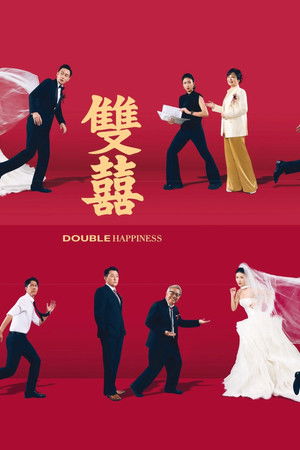

Double Happiness (2026) Synopsis — A Hilarious Taiwanese Comedy of Errors Unfolds
Synopsis of Double Happiness (2026)
Prepare for a whirlwind of comedic chaos with the highly anticipated Taiwanese drama, Double Happiness (2026). This original story, helmed by director Joseph Chen-Chieh Hsu, dives into a situation that’s both heartwarming and hilariously stressful. The film centers on Tim, a man on the cusp of marital bliss, who finds himself in an impossible predicament. With a wedding planned for the same night as his bride’s cousin’s wedding, and both events set to take place in the same luxurious five-star hotel, Tim’s carefully laid plans begin to unravel faster than a dropped wedding cake.
The core of the conflict arises from a deeply sensitive secret: Tim‘s recently divorced parents, who have a strained and awkward relationship, must not cross paths. Their presence at the same venue, under the same roof, on such an emotionally charged occasion, presents a minefield of potential explosions. Tim, portrayed with charm and vulnerability by Liu Kuan-ting, is tasked with the unenviable role of orchestrator, juggling guest lists, seating arrangements, and family dynamics to ensure both ceremonies proceed without a hitch – and more importantly, without his parents realizing the other is there. The emotional stakes are sky-high as Tim navigates not only the logistical nightmare but also the underlying tensions and unresolved issues between his mother, played by the iconic Yang Kuei-mei, and his father, brought to life by Tou Tsung-Hua.
Adding to the intricate tapestry of this new movie are supporting performances from Jennifer Yu as Tim’s bride, who remains blissfully unaware of the matrimonial juggling act her fiancé is performing, and the ever-reliable Tenky Tin Kai-Man, whose role promises to add further layers of comedic or dramatic support. Double Happiness (2026) promises a modern take on classic romantic comedy tropes, exploring the complexities of family, love, and the lengths one will go to for a semblance of peace. This Taiwanese film’s unique charm lies in its ability to blend laugh-out-loud moments with genuine emotional resonance, all within the vibrant backdrop of Taiwanese culture and storytelling.
Plot of Double Happiness — A Gripping Story
The plot of Double Happiness (2026) hinges on a high-stakes deception designed to preserve familial harmony. Tim, the groom-to-be, has inadvertently created a logistical and emotional quagmire for himself. The simultaneous weddings, a seemingly innocent double booking, forces him into a precarious balancing act. He must ensure that his bride and her family have their perfect celebration, while simultaneously preventing his own estranged parents from acknowledging each other’s presence. This requires a masterful deployment of misdirection, swift changes of venue within the hotel, and a constant stream of white lies to keep both sides of his family in the dark.
As the night progresses, Tim’s efforts become increasingly frantic and comical. Close calls abound, and the pressure mounts with each passing hour. The film’s narrative skillfully builds suspense, not through traditional thrill, but through the impending threat of exposure. Every awkward encounter, every unexpected guest arrival, and every shared hallway becomes a potential disaster. The underlying theme explores the sacrifices made in the name of family and the often-absurd lengths people will go to avoid confrontation, making this plot a relatable, albeit exaggerated, journey through modern family dynamics. The film adaptation focuses on the universal experience of navigating difficult family relationships and the desire for a smooth, happy occasion.
Interesting Facts About Double Happiness
- Double Happiness (2026) is an original screenplay, not based on a novel or existing material.
- The film was shot on location in Taiwan, showcasing its picturesque landscapes and vibrant city life.
- Director Joseph Chen-Chieh Hsu is known for his nuanced character studies and comedic timing.
- The lead actors, Liu Kuan-ting and Jennifer Yu, have previously collaborated on successful Taiwanese dramas, bringing established chemistry to their roles.
- The title “Double Happiness” is a significant symbol in Chinese culture, often associated with weddings and marital bliss, adding a layer of irony to the film’s central conflict.
Why You Should Watch Double Happiness (2026)
Double Happiness (2026) is a must-watch for anyone who appreciates a well-crafted comedy that also tugs at the heartstrings. The film’s brilliant premise, combined with stellar performances from its ensemble cast, promises an evening of unadulterated entertainment. It offers a refreshingly modern perspective on family dynamics and the universal quest for happiness, even amidst personal turmoil. If you’re looking for a new movie that blends sharp wit with genuine emotional depth, this Taiwanese gem is poised to deliver.
Beyond the laughs, Double Happiness (2026) delves into relatable themes of familial obligation, the complexities of divorce, and the enduring power of love. Director Joseph Chen-Chieh Hsu expertly navigates these sensitive subjects with a light touch, ensuring that the humor never overshadows the underlying emotional truths. This film adaptation provides a unique cultural lens through which to explore these universal human experiences, making it a captivating and memorable cinematic event. Its intricate plot, engaging characters, and heartfelt story make it a standout in the drama genre.
Cast of Double Happiness (2026)
| Actor | Role |
|---|---|
| Liu Kuan-ting | Tim Kao |
| Jennifer Yu | Daisy Wu |
| Yang Kuei-mei | – |
| Tenky Tin Kai-Man | – |
| Tou Tsung-Hua | – |
| 9m88 | – |
| Kent Tsai Fan-Hsi | – |
| Esther Liu | – |
| Lego Lee | – |
| Grace Chen Shu-Fang | – |
Original title: 雙囍